
Labs
Projects · Work with us · Team
Applied R&D powered by philanthropy
Applied R&D for the future of meat
We run open-access research for rethinking meat, focused on solutions for blending meat and for improving the performance of plant and mycoprotein sources. We are closing the gaps in flavor, juiciness, fat, texture, functionality and cost for the benefit of all. We are the only lab in the world to develop these solutions in an open access manner, with a clear goal of bringing delicious dishes that meat eaters will enjoy.
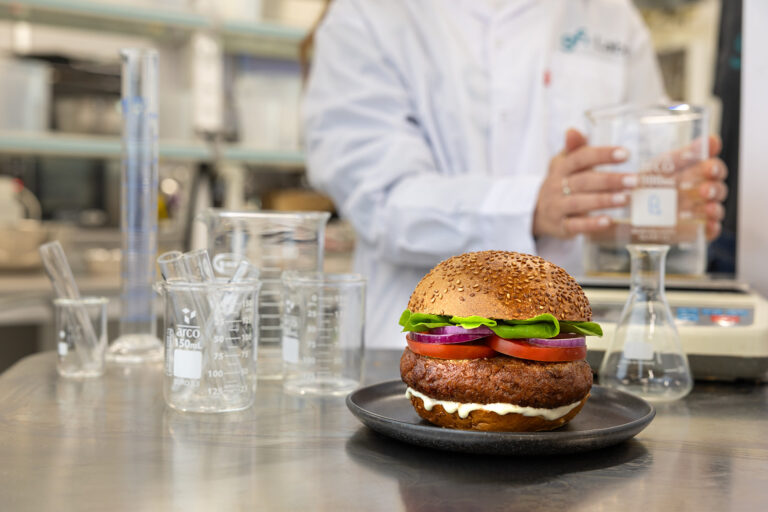
Where we focus
Improving plant-based, mycelium, and blend products
Each project targets an attribute where products still fall short, from flavor to cost, through to complete formulations.
 Sensory performance
Does it look, cook, taste and feel like meat?
This area covers flavor & aroma, fat & juiciness, texture and color, as well as nutritional contribution.
The eating experience starts before the first bite: how a product looks raw, how it browns and changes color in the pan, how it smells while it cooks. Then come flavor, bite and juiciness, where blind tasters still find clear gaps. A product that disappoints at any of these steps rarely gets bought a second time.
 Cost & scale
Can it be made at a competitive price and volume?
Price is a deciding factor. A better product only reaches people once it is affordable and can be made in volume. Our projects promote lower-cost plant-based and mycelium ingredients as well as efficient production processes in order to provide the desired functionality for high-performing products at an affordable cost.
 Tools & formulations
Can industry test quickly and predict what consumers will think?
Every new formulation has to be judged against what consumers notice. The standard way to do that, trained sensory panels and consumer tests, is slow and costly to repeat for each change. Reliable lab measurements that track those judgments let developers screen many options early and save the panels for the final candidates. When the methods and reference data are open, every company can compare results on the same basis, and what one lab learns becomes usable by all. That is the point of precompetitive work.
What we are doing
Current and completed projects
Search our projects
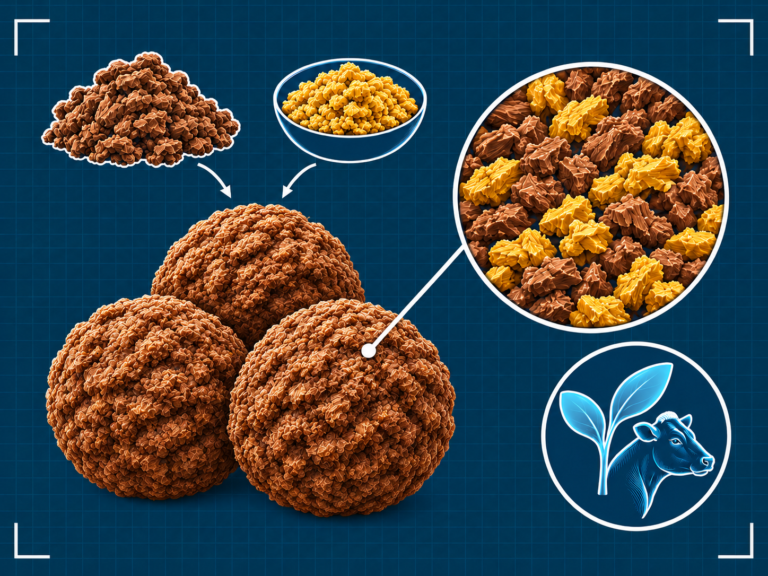
Developing a plant-based beef-enhancer for blended products
A six-ingredient plant base mixes straight into ground beef; 120 regular beef eaters chose a 50:50 blend almost as often as all-beef.
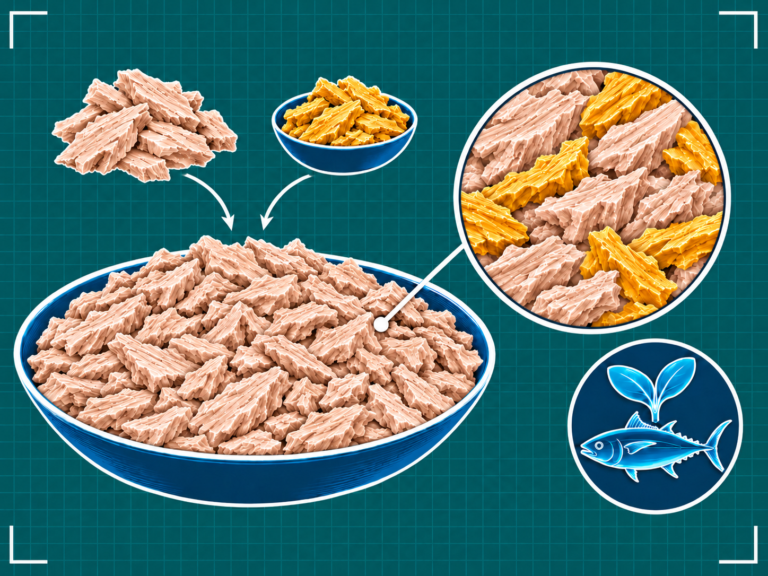
Developing a plant-based tuna fish enhancer for blended products
A dry plant-protein mix is hydrated and blended into tuna, aiming for a lower-cost tuna that keeps its taste.
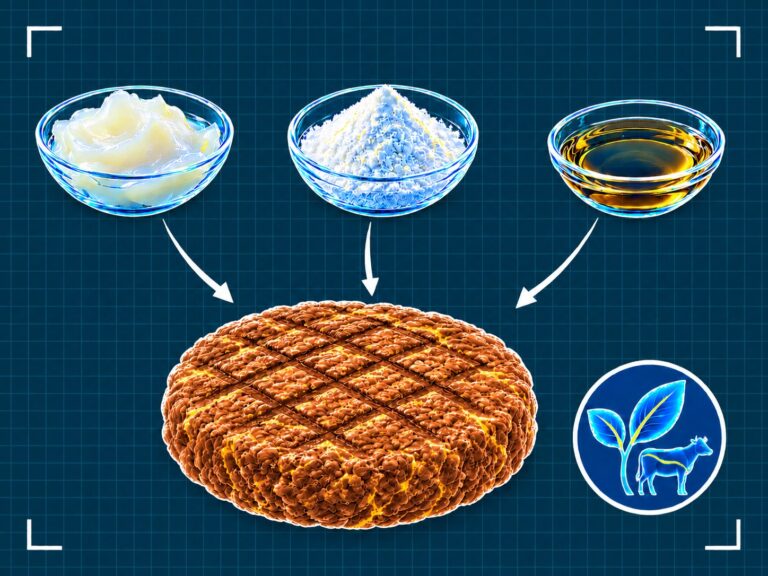
Making plant-based burgers meatier with small animal-derived additions
About 14% of a mix of beef tallow, bovine collagen and a meat flavor extract moved a plant-based burger's meatiness a third of the way to beef.
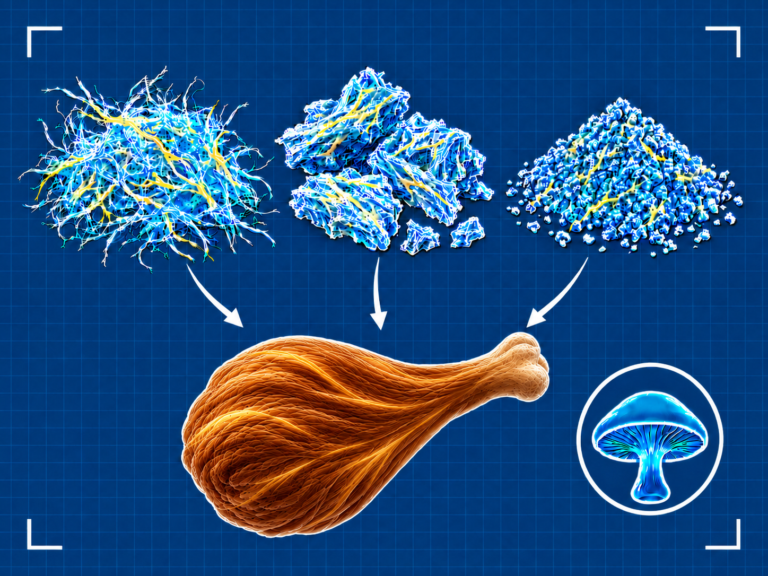
Taking the guesswork out of formulating with mycelium
Commercial mycelium ingredients are tested side by side with texturized vegetable protein in standard plant-based recipes, aiming for open data on where they add texture and juiciness.
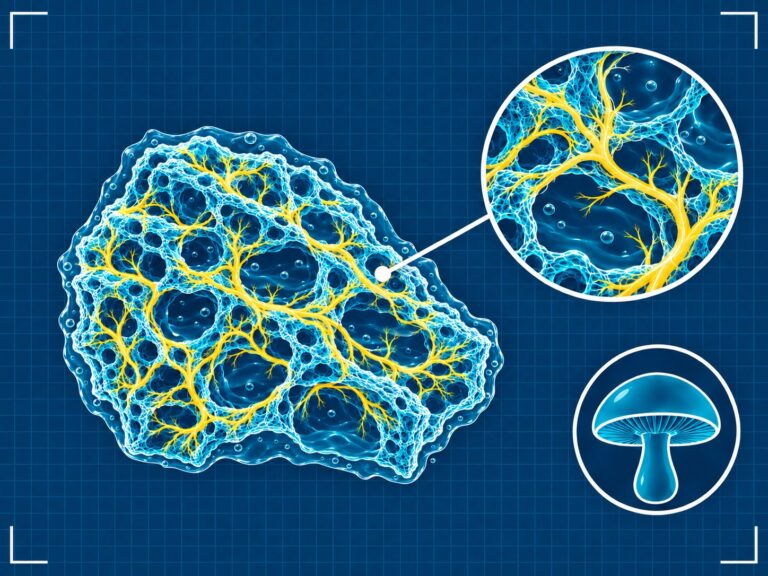
1 + 1 = 3? Growing fungi biomass on TVP
Growing fungus on a texturized vegetable protein scaffold, aiming for mycoprotein-class functionality at closer to its own cost.
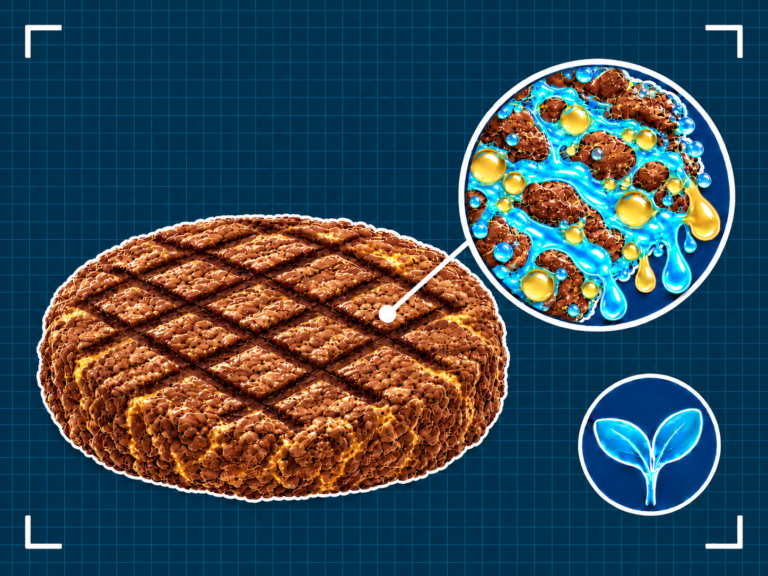
Tackling the juiciness challenge with a low-cost bench test
A simple press measures the liquid a plant-based sample releases under load, aiming for a scale that ranks juiciness as tasters do.
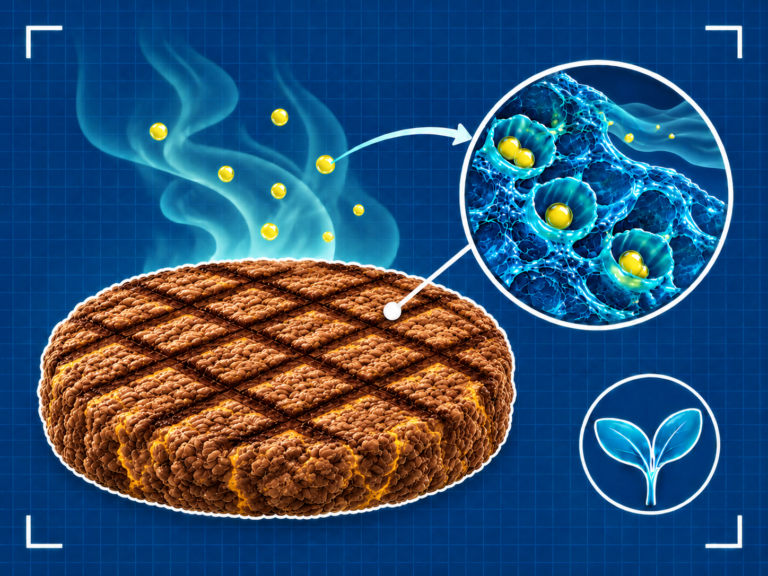
Removing off-notes from TVP with low-cost treatments
We treat texturized vegetable protein before it goes into the recipe by washing, steaming, binding, or fermenting, aiming for cooked burgers without beany or grassy notes.
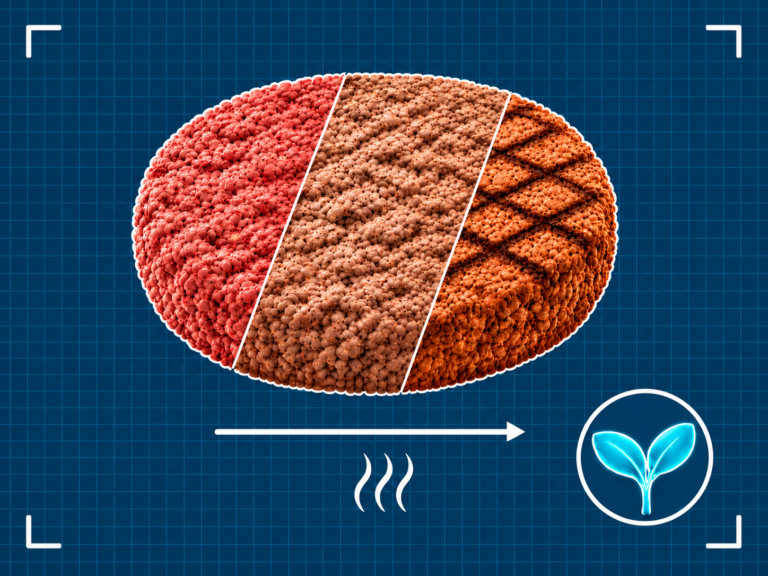
Giving plant-based meat the colors of beef, from raw to seared
Natural colorants are tuned to match beef from raw red to cooked grey-brown to seared crust, aiming for an open color kit for plant-based meat.

Beef tallow aroma biomimicry
Small additions of fatty acids and phospholipids to a plant oil act as precursors, aiming to form beef fat's aroma compounds during cooking.
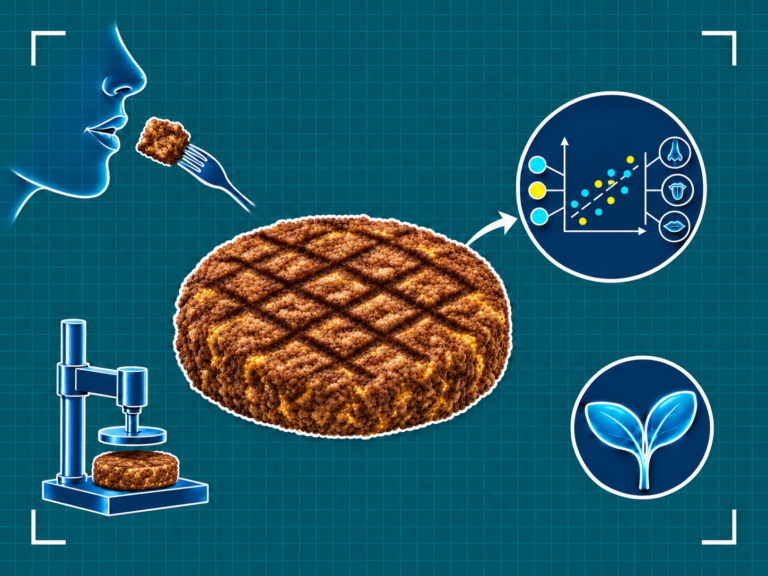
Predicting consumer liking of plant-based burgers from lab tests
Burgers that consumers rated high and low are measured for texture, flavor compounds and water mobility, to find the few tests that track their scores.
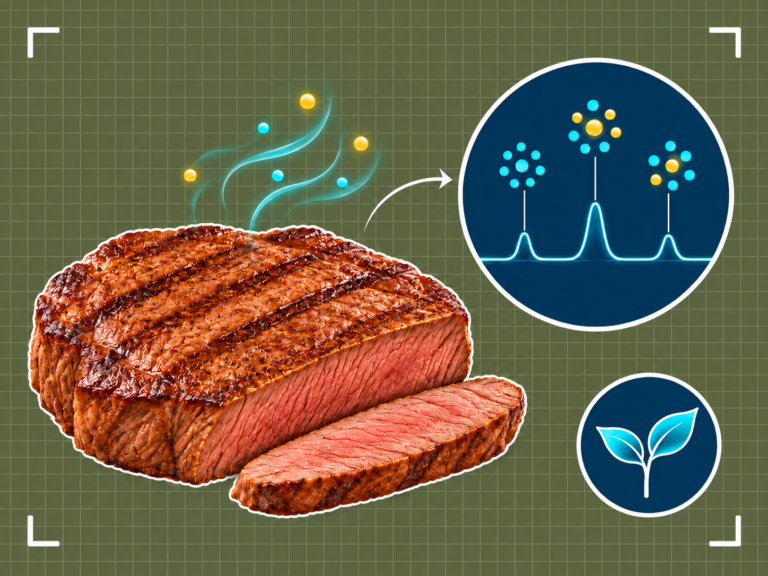
Mapping what makes cooked meat taste meaty
Raw and cooked beef are mapped for the molecules behind meaty aroma, and flavor additions to plant-based patties are measured against that map, aiming for an open database for meaty flavor.
How we do it
We define the R&D, run it, and give it away
Labs defines R&D scope and manages projects. Execution is done either internally at our application lab or by ecosystem partners. All outputs are open-access – tools, data, and protocols that any food company can implement immediately.

In our application lab
Hands-on formulation, sensory and analytical work in our own facilities.

With technology partners
Where infrastructure or a specific capability is required, expert partners execute against a defined challenge and scope, with applicability in mind.

Open to everyone
Every output is open-access, with no registration required: toolkits, formulations, protocols and data. Our team is happy to engage to support R&D work and share our expertise in the field.
Our approach spans plant-based, mycelium, and animal-derived ingredients — because next-generation products designed for omnivore consumers need the full ingredient toolbox.
Who we work with
Collaborate with us
We work with startups, CROs, academic labs, and food companies — locally and internationally — on precompetitive challenges where shared knowledge moves everyone forward.
Application & process partners






Analytical & sensory partners



Partners win
- Project funding and de-risking
- Expert guidance and validation
- First-mover commercial opportunities
Labs wins
- Unlocking applicable data, tools, and solutions for the benefit of the entire ecosystem
Who we are
The Labs team

Nir Goldstein
Chairperson
7 years CEO of GFI Israel; built one of the world’s leading alternative protein ecosystems.

Noga Sela Shalev
CEO
20 years in food and foodtech; founding team & CEO, Fresh Start; ex-Chief of Staff & Head of Innovation, Tnuva.

Daniel Dikovsky, PhD
CSO
Ex-CTO Redefine Meat; 50+ patent families; plant-based tissue engineering, flavor and aroma.

Anton Slavkin
Associate Director of Food Engineering and Projects Lead
Ex-Nestlé, Unilever, Strauss Group; food engineering and scale-up expertise.

Ariel Szklanny, PhD
Project Manager
Co-founder of Oshi (plant-based salmon); PhD in Tissue Engineering, Technion.

Yael Prigat Goldfriend
Project Manager
Ex-team leader at Redefine Meat; 10 years of experience in plant-based R&D.

Ravid Hoomash
R&D Food Lab Researcher
Food technology specialist; leads application lab and culinary R&D.
Get new results first
One email when a deliverable is published. No spam, no sign-up needed to download.
"*" indicates required fields
Labs by GFI Israel | A GFI Israel initiative | Complementary to GFI’s global alternative protein work
Contact: labs@gfi.org
